

India is home to numerous rivers, many of which play a vital role in the country's culture, economy, and ecology. Here's an overview of some of the major rivers in India:
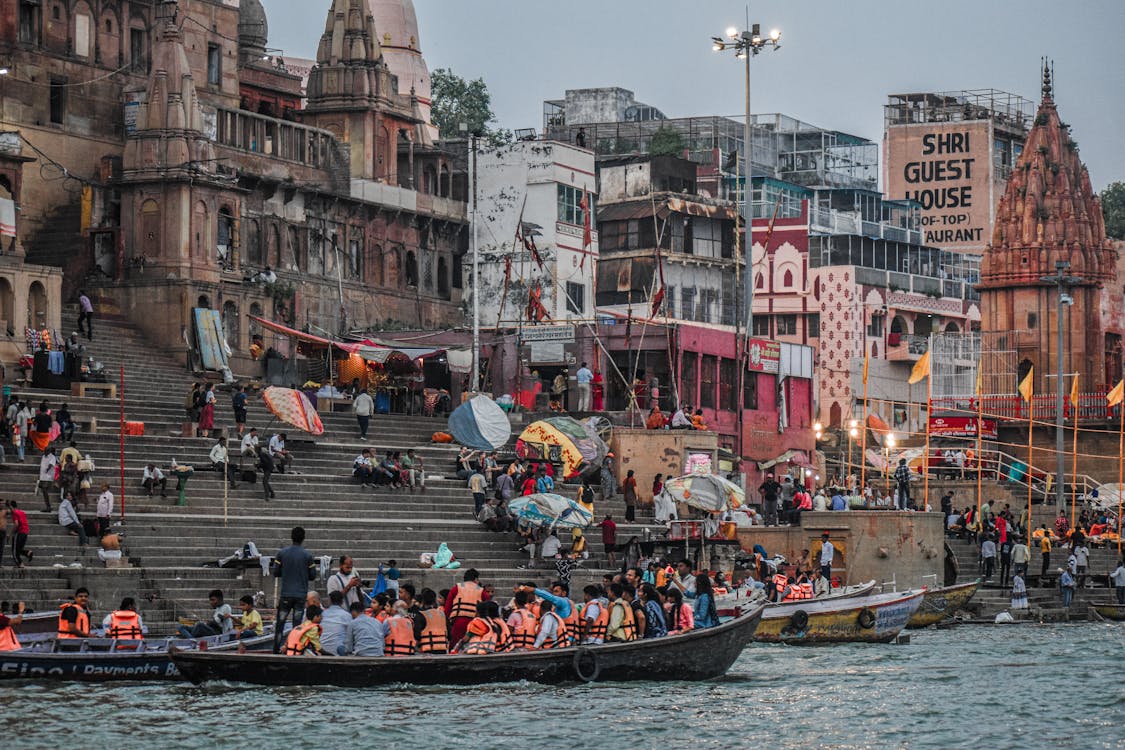
Major Rivers in India
- Ganges (Ganga)
- Source: Gangotri Glacier in Uttarakhand
- Length: Approximately 2,525 km
- Significance: The Ganges is considered the most sacred river in India. It flows through the northern plains, providing water to a large population and supporting agriculture.
- Yamuna
- Source: Yamunotri Glacier in Uttarakhand
- Length: Approximately 1,376 km
- Significance: A major tributary of the Ganges, the Yamuna flows through important cities like Delhi and Agra.
- Brahmaputra
- Source: Angsi Glacier in Tibet
- Length: Approximately 2,900 km (in India, it flows for about 916 km)
- Significance: It flows through the northeastern states of India and is known for its powerful and turbulent nature.
- Indus
- Source: Tibetan Plateau
- Length: Approximately 3,180 km (partly in India)
- Significance: The Indus Valley is the cradle of the Indus Valley Civilization. It primarily flows through Pakistan but its tributaries flow through Indian states like Punjab and Jammu & Kashmir.
- Godavari
- Source: Triambakeshwar in Maharashtra
- Length: Approximately 1,465 km
- Significance: The Godavari is the second-longest river in India, often referred to as the "Dakshina Ganga" or "Ganga of the South."
- Krishna
- Source: Mahabaleshwar in Maharashtra
- Length: Approximately 1,400 km
- Significance: It flows through Maharashtra, Karnataka, Telangana, and Andhra Pradesh, supporting extensive irrigation and agriculture.
- Narmada
- Source: Amarkantak Plateau in Madhya Pradesh
- Length: Approximately 1,312 km
- Significance: It flows westward into the Arabian Sea and is known for the Narmada Valley Project, which includes several large dams.
- Kaveri (Cauvery)
- Source: Talakaveri in Karnataka
- Length: Approximately 800 km
- Significance: It is a vital river for the states of Karnataka and Tamil Nadu, supporting extensive agriculture and several major cities.
- Mahanadi
- Source: Sihawa in Chhattisgarh
- Length: Approximately 858 km
- Significance: Known for the Hirakud Dam, one of the longest dams in the world, it supports agriculture in Odisha and Chhattisgarh.
- Tapti (Tapi)
- Source: Satpura Range in Madhya Pradesh
- Length: Approximately 724 km
- Significance: It flows westward, parallel to the Narmada, and empties into the Arabian Sea.
Important Tributaries
- Ganges: Yamuna, Ghaghara, Gandak, Kosi
- Yamuna: Chambal, Sindh, Betwa, Ken
- Godavari: Purna, Pranhita, Indravati, Sabari
- Krishna: Bhima, Tungabhadra
- Narmada: Hiran, Orsang, Banjar
- Kaveri: Shimsha, Hemavati, Arkavati
Ecological and Cultural Significance
- Sacred Rivers: Rivers like the Ganges and Yamuna hold immense religious significance and are central to numerous festivals and rituals.
- Irrigation: Many rivers provide essential irrigation for agriculture, supporting the livelihoods of millions.
- Biodiversity: Rivers like the Brahmaputra and Godavari are rich in biodiversity, supporting various species of fish, birds, and other wildlife.
- Economic Importance: Rivers support industries, provide drinking water, and are harnessed for hydroelectric power.