

Gayatri Jaapam, or the chanting of the Gayatri Mantra, is a significant spiritual practice in Hinduism. The Gayatri Mantra is one of the oldest and most revered Vedic hymns, dedicated to the deity Savitr, a form of the sun god. It is believed to bring spiritual illumination, wisdom, and protection to those who chant it with devotion.
The Gayatri Mantra:
The mantra is recited to invoke divine guidance and enlightenment. The traditional Gayatri Mantra is:
“Om Bhur Bhuvah Svah,
Tat Savitur Varenyam,
Bhargo Devasya Dheemahi,
Dhiyo Yo Nah Prachodayat.”
Meaning of the Mantra:
- Om: The primordial sound, representing the essence of the ultimate reality.
- Bhur Bhuvah Svah: These three words represent the three realms: the physical plane (Bhur), the mental plane (Bhuvah), and the celestial plane (Svah).
- Tat Savitur Varenyam: "Tat" means "that," "Savitur" means "of the Sun," and "Varenyam" means "worthy of worship."
- Bhargo Devasya Dheemahi: "Bhargo" means "divine light," "Devasya" means "of the deity," and "Dheemahi" means "we meditate upon."
- Dhiyo Yo Nah Prachodayat: "Dhiyo" means "intellect," "Yo" means "who," "Nah" means "our," and "Prachodayat" means "may inspire."
Benefits of Gayatri Jaapam:
- Spiritual Growth: Chanting the Gayatri Mantra helps in purifying the mind and body, fostering spiritual growth and enlightenment.
- Mental Clarity: It enhances concentration, focus, and mental clarity, helping practitioners achieve a calm and balanced state of mind.
- Protection: The mantra is believed to offer protection from negative energies and obstacles, providing divine guidance and strength.
- Inner Peace: Regular recitation can bring inner peace, tranquility, and a sense of connection with the divine.
How to Practice Gayatri Jaapam:
- Preparation: Choose a quiet and clean space for chanting. Sit in a comfortable posture, such as Sukhasana (easy pose) or Padmasana (lotus pose).
- Invocation: Begin by invoking the blessings of Lord Ganesha and other deities, if desired. You may also start with a brief prayer or intention.
- Chanting: Recite the Gayatri Mantra aloud or silently. The mantra can be repeated a specific number of times, often 108 times, using a mala (prayer beads) for counting.
- Focus: Maintain focus on the meaning and vibrations of the mantra. Visualize divine light and purity while chanting.
- Ending: Conclude the practice by offering gratitude and performing a closing prayer. Reflect on the spiritual experience and its impact.
Variations:
- Gayatri Jaapam in the Morning: Many devotees prefer to chant the Gayatri Mantra early in the morning, during Brahma Muhurta, which is considered an auspicious time for spiritual practices.
- Gayatri Homa: In addition to individual chanting, the Gayatri Mantra can be recited during a ritual fire ceremony (homa), which involves offerings to the sacred fire while chanting the mantra.
Importance:


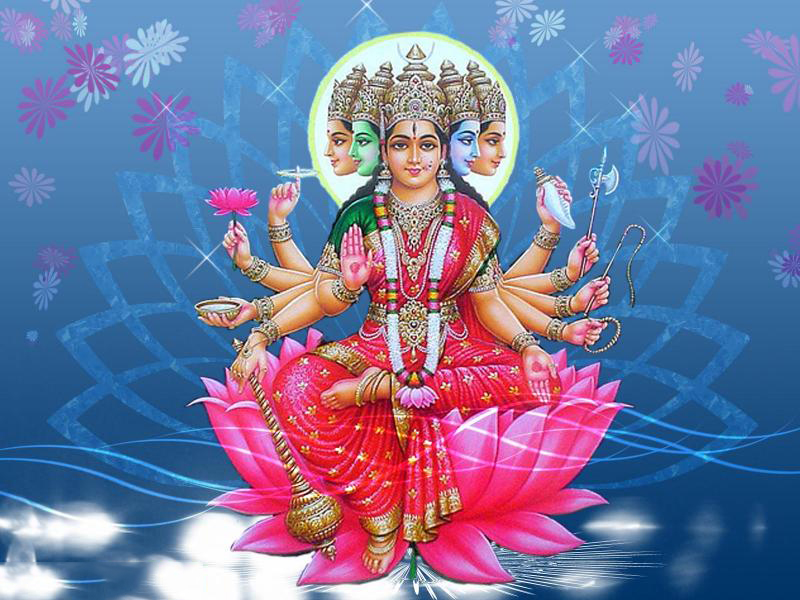



Gayatri Jaapam is considered a powerful and transformative practice. It is a way to align oneself with divine wisdom and the universal truth, fostering a deeper spiritual connection and understanding. The regular practice of Gayatri Jaapam can lead to significant personal and spiritual development, making it a cherished aspect of Hindu devotional life.